

How to Make Lion's Mane Mushroom Drinking Broth
Broth is one of those foods that shows up everywhere for a reason. Not because it’s trendy, and not because it promises transformation, but because it does a specific kind of work very well.
When you look across cuisines — from long-simmered bone broth to vegan mushroom broth enriched with miso, bay leaves, and dried shiitake mushrooms — you see the same logic repeated: warm liquid, salt, fat, and deeply savory compounds delivered in a form the body can actually use.
This is food built for absorption, not performance.
That’s why broth has always been associated with recovery, steadiness, and immune resilience. It’s also why mushrooms like Lion's Mane, Maitake, Chaga, and other organic mushrooms were historically added to stews and broths instead of taken on their own. The medium matters.
What Broth Does, Practically Speaking
1. Broth Delivers Nutrients Efficiently.
Liquids with salt and fat move through the digestive system differently than solid food. Whether you’re using chicken bone broth, beef bone broth, or a mineral-rich mushroom broth, the nutrients are easier to absorb and less taxing to process.
2. It Supports Immune Health Without Overstimulation.
Broths contain naturally occurring antioxidants and compounds that support immune function in a steady way. This is one reason mushroom broths have long been used in periods of illness or stress — they nourish without demanding energy.
3. Umami Improves Satiety and Tolerance.
The umami flavor from miso and mushrooms isn’t just about taste. It signals nourishment, helping the body register the broth as food, not a supplement. This makes it easier to tolerate regularly, especially for people who don’t do well with pills or capsules.
4. Fat Makes It Functional.
Traditional broths nearly always include fat. Butter or olive oil isn’t decorative — it improves mouthfeel, supports absorption, and gives the broth staying power. This is especially relevant for compounds in mushrooms that are better utilized alongside fats.
Why Lion’s Mane Mushrooms Work Especially Well in Broth

Lion’s mane mushroom is historically a food mushroom, though it's often sold in supplement form. When used as organic lion’s mane extract in broth, it behaves the way it always has: quietly supportive, not stimulating.
Taken this way, lion’s mane integrates into an existing food system instead of standing apart from it. That’s why a lion’s mane mushroom broth tends to feel more sustainable than stacking multiple supplements — especially for people eating gluten-free, keto, or avoiding preservatives.
Lion’s Mane Mushroom Drinking Broth
Single-Serving
Ingredients
-
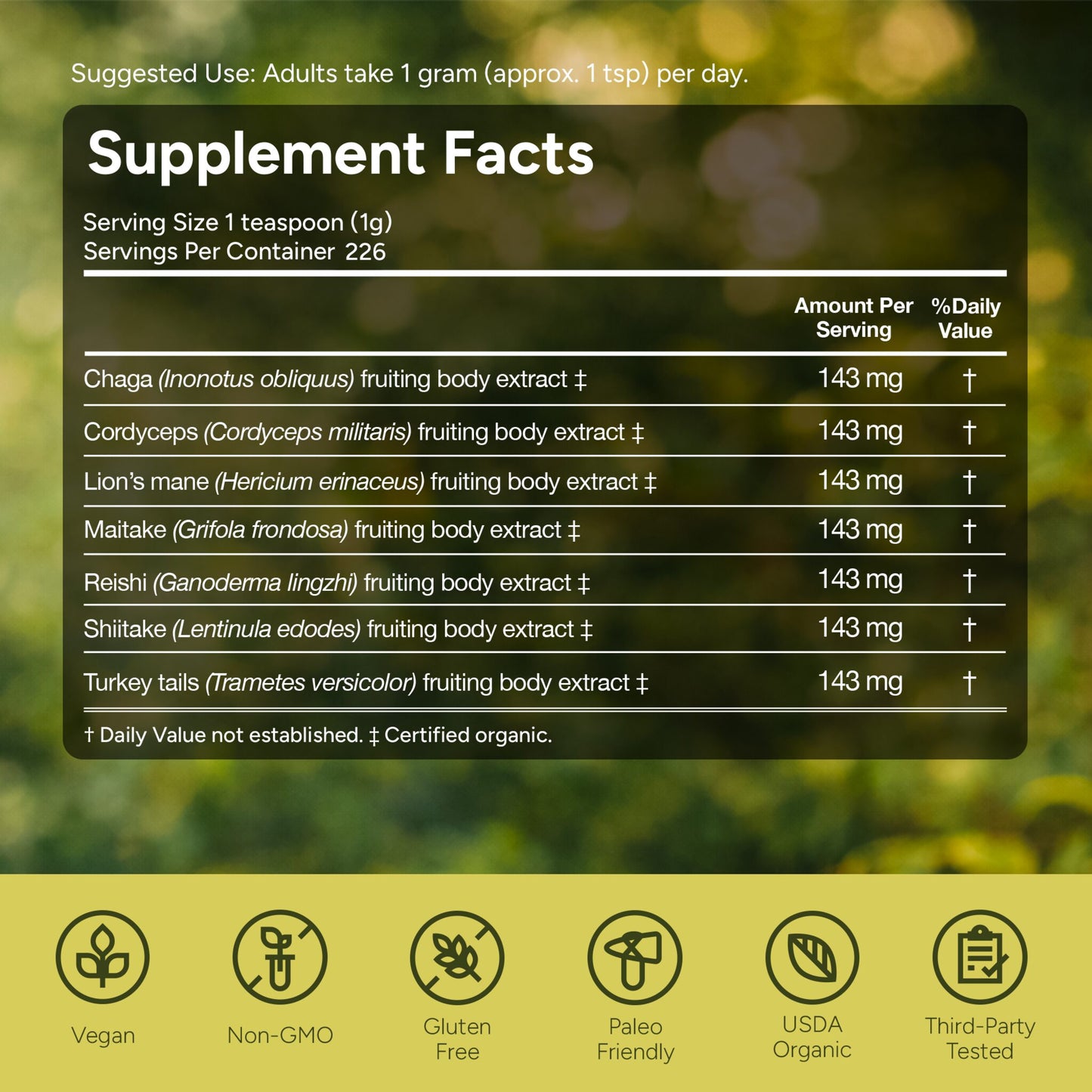
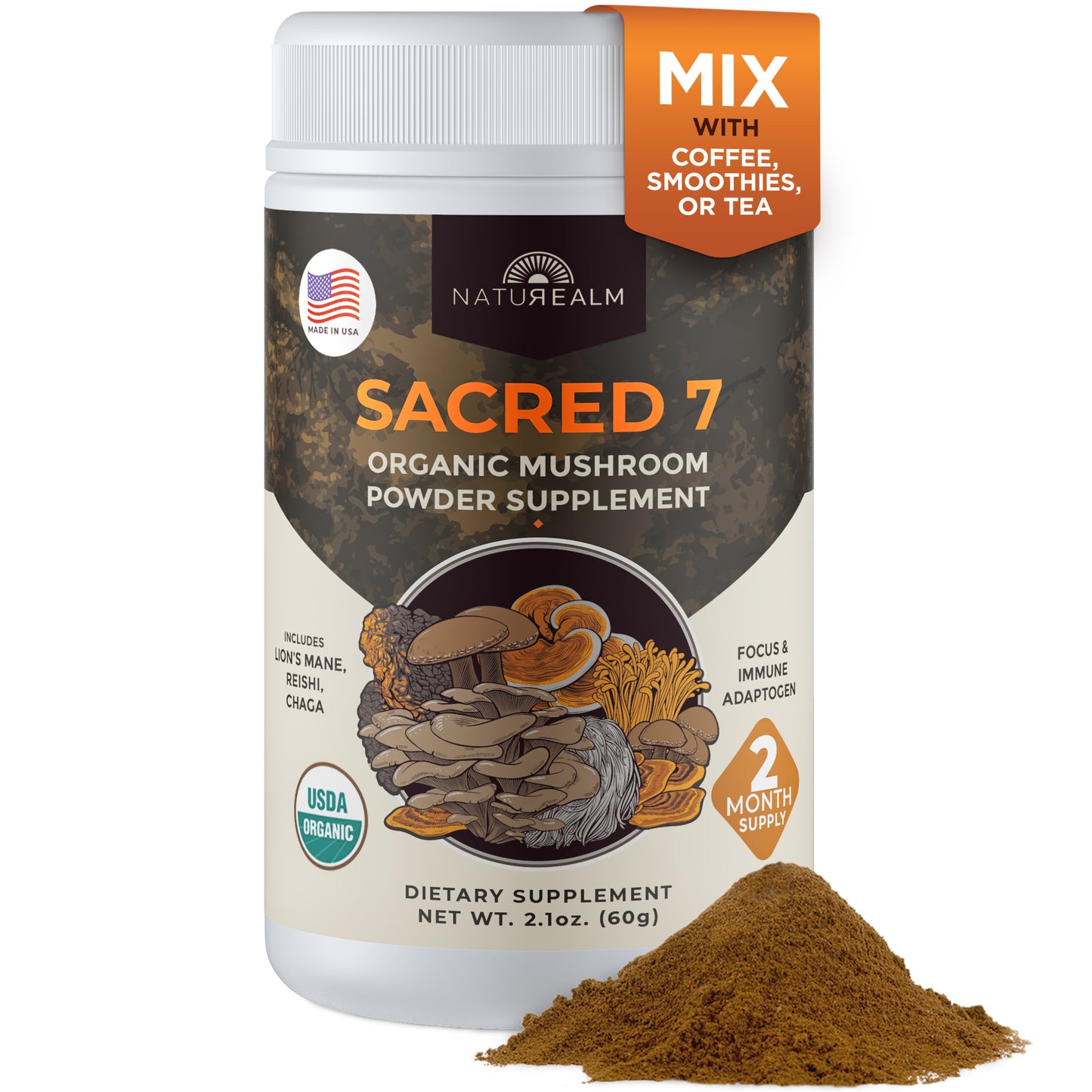
1 teaspoon Naturealm Lion’s Mane Extract Powder (organic lion’s mane, certified organic)
-
2 cups warm vegetable broth, chicken bone broth, or beef bone broth
-
1 teaspoon white miso paste
-
0.5 teaspoons butter or olive oil
-
1 pinch black pepper
How to Make It
-
Warm the broth. Heat 2 cups broth until hot, but not boiling.
-
Add white miso to your mug with a small splash of warm broth and stir until smooth before adding the rest. This prevents graininess and preserves probiotics.
-
Whisk in the Lion’s Mane Mushroom Powder until fully dissolved.
-
Add butter or olive oil and black pepper. Stir once more and drink warm.
Notes
-
White miso is milder than red and better suited for drinking broths.
-
Do not boil the miso — heat kills beneficial cultures.
-
The fat is functional, not decorative. It improves mouthfeel, absorption, and satiety.
Why This Broth Works (And Tastes Good)
The umami flavor from miso and mushrooms creates depth without heaviness. Fat smooths the broth, pepper enhances absorption, and the warmth ties everything together. This isn’t a flavored supplement — it’s a true drinking broth that could just as easily be the base of a stew.
It’s comforting, grounding, and deeply practical.
This Isn’t a Wellness Trick
This broth isn’t a cleanse, a protocol, or a replacement for real food. It’s a continuation of a very old idea: when nourishment matters, you make it easy to receive.
If you already value food that does something — not loudly, not theatrically — this fits naturally. It belongs in kitchens that cook with intention, not carts optimized for checkout urgency or inflated regular price claims.
It’s just good broth. With mushrooms that know how to pull their weight.